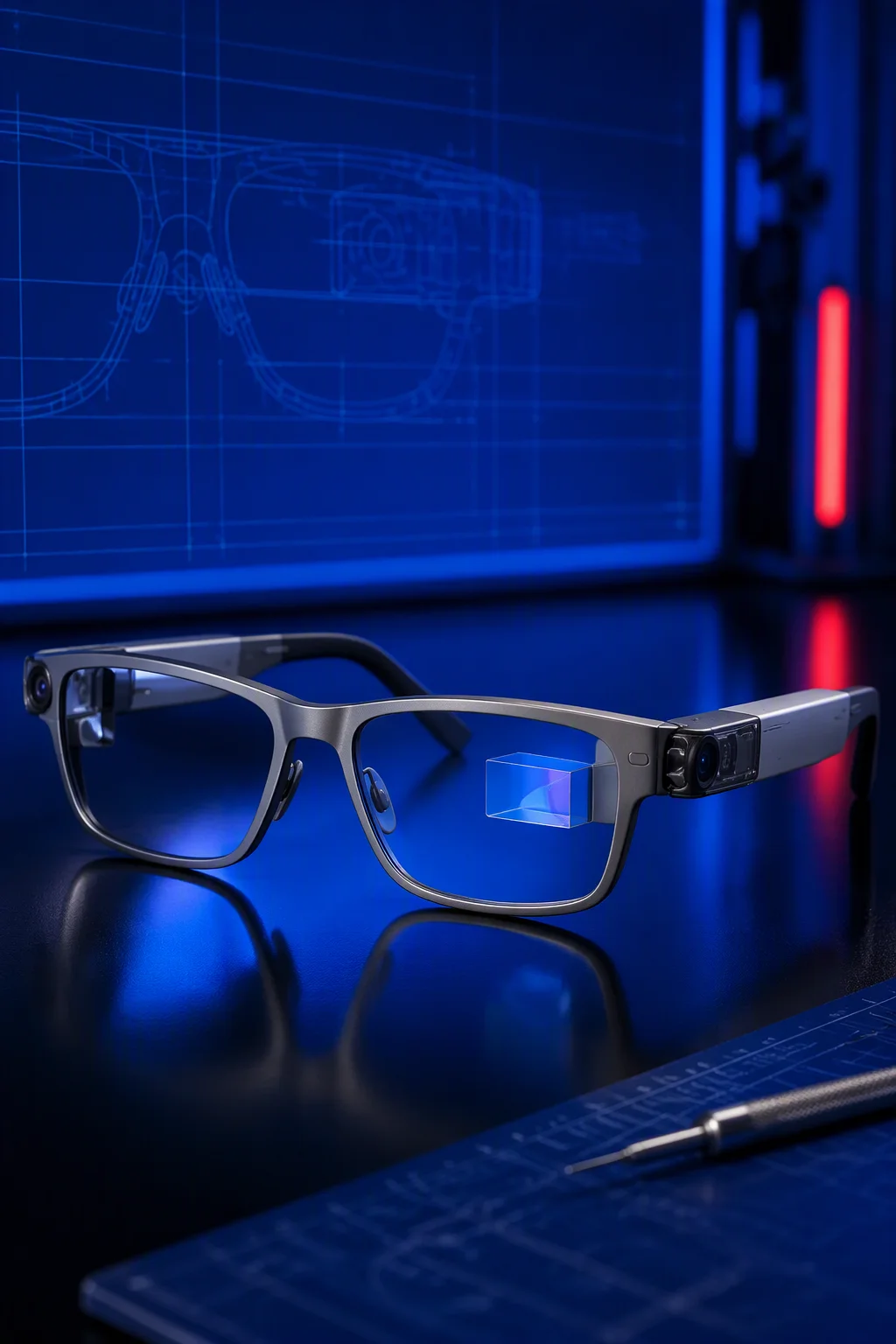
● Industries / IND-05 SPEC. NO. EMS-HC-01
Smart Glasses for Healthcare & Medical
Medical smart-glasses markets are forecast to grow through 2026–2032 as care teams adopt hands-free tools. Glasses give clinicians a "digital third eye" for ward rounds, telemedicine and training — positioned as assistive IT tools, not medical devices, with the compliance boundary documented up front.
● Clinical Pain Point Map SPEC. NO. EMS-HC-PN
Where Care Teams Waste Their Two Hands
| Clinical pain point | The data behind it | Our reference solution |
|---|---|---|
| Hands-free ward rounds | Medical smart-glasses markets grow 2026–2032 | POV display of vitals, orders and notes |
| Rural specialist access | Telemedicine demand grows; remote guidance trialed | Remote expert video to the care site |
| Training & proctoring | Clinical teaching needs first-person views | 1080p POV instruction for students |
| Documentation burden | Clinicians log hours of notes per shift | 12MP stills and voice notes hands-free |
| Infection-control cleaning | Reusable devices need compatible cleaning | Sealed, wipeable housings at IP54–IPX6 |
| Compliance boundary | Assistive tool vs medical device must be explicit | Documented non-device positioning |
| Patient data privacy | HIPAA-class handling expected | Encrypted, local-first processing |
| Pilot procurement | Hospitals start with small pilots | MOQ from 100 units, 14-day samples |
● Telemedicine SPEC. NO. EMS-HC-SPL
Bring the Specialist to the Bedside
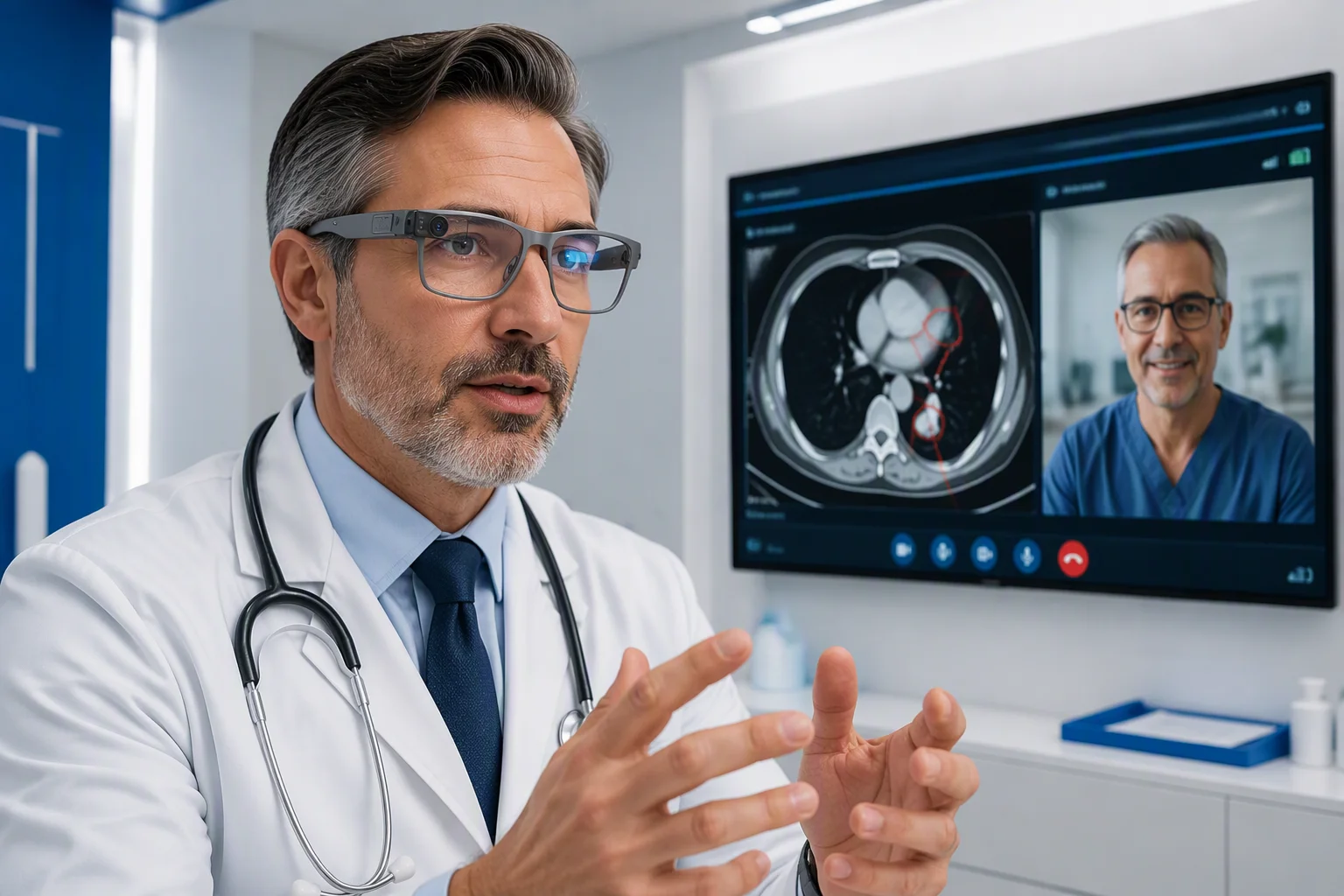
A rural clinician's point of view streams to a specialist who annotates the live video — wound assessment, line placement, imaging review — as if standing beside the bed. Telemedicine platforms and our SDK handle the link, and the clinician keeps both hands on the patient.
The same hardware records training: students watch a procedure from the operator's first-person view with annotations, then practice with the overlay off. Surgical-guidance demand keeps expanding the category, with forecasts running through 2033.
Every hospital pilot we ship starts from the same 14-day sample run, so a clinical team can validate the workflow before committing budget.
AR Display Spec● Compliance Boundary SPEC. NO. EMS-HC-CMP
Assistive Tool, Not Medical Device
| Scope | Assistive IT tool (our standard) | Medical device (out of scope) |
|---|---|---|
| Intended use | Communication, documentation, education | Diagnosis or treatment decisions |
| Regulatory route | RED / EMC / LVD / RoHS, FCC | MDR-class registration |
| Clinical claims | None; decisions stay with staff | Therapeutic claims need evidence |
| Data handling | Encrypted, local-first, HIPAA-aware | Full compliance program |
| Validation | Usability and cleaning tests | Clinical validation studies |
| Deployment | Pilot procurement, MOQ 100 | Regulated procurement |
| Documentation | CE / FCC / UN38.3 ship with unit | Regulatory dossier |
| Support | Engineering + SDK + OTA | Dedicated QA program |
● Use Scenes SPEC. NO. EMS-HC-SCN
Three Workflows That Pilot First
Ward Rounds
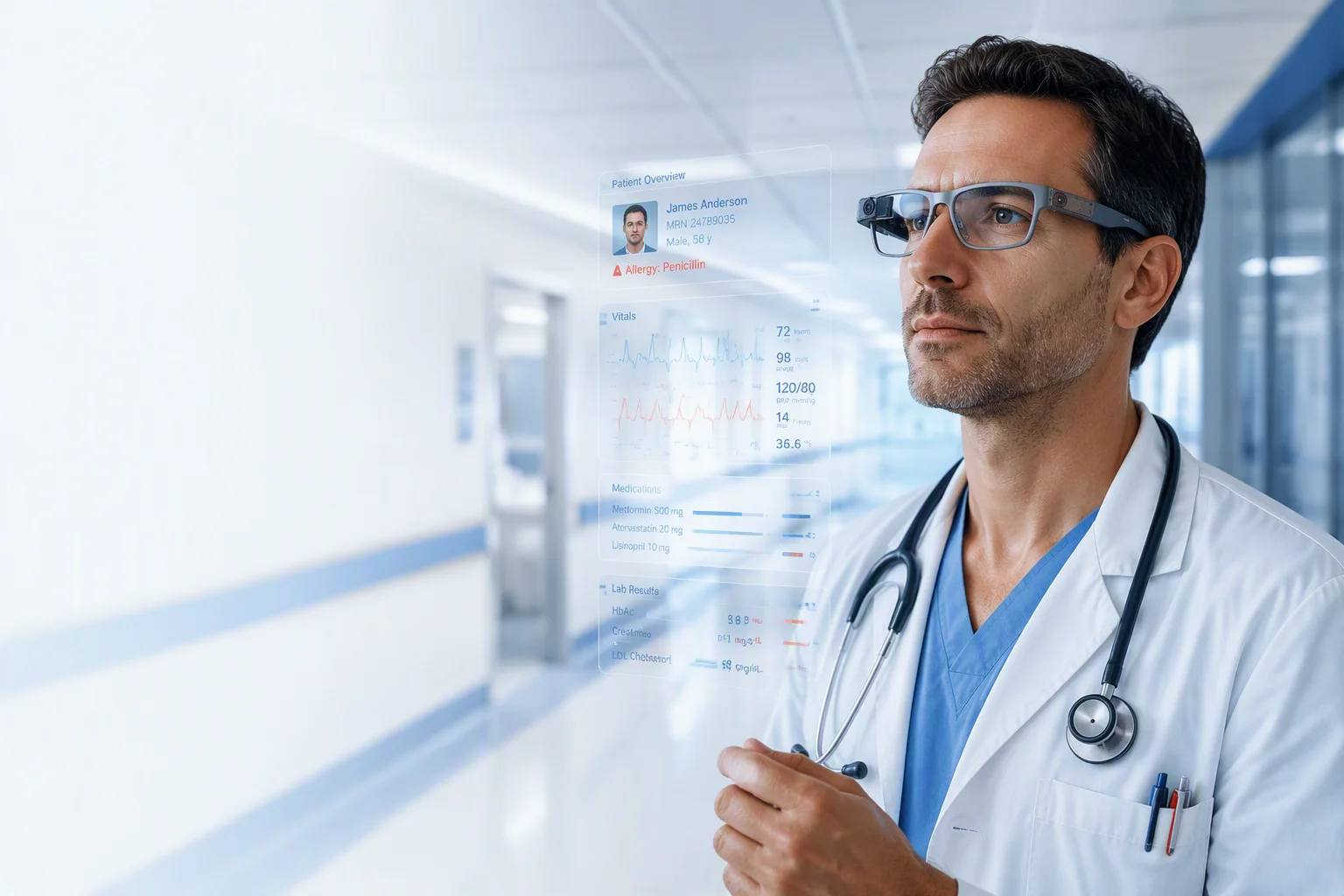
Vitals and orders in the field of view — hands free for the patient, notes captured as 12MP stills.
HC-02Telemedicine
1080p POV stream to the specialist with live annotations, from bedside or rural clinic.
HC-03Training
First-person proctoring with annotation replay — 14-day prototypes get a pilot cohort started.
● Clinical Notes SPEC. NO. EMS-HLT-DEP
Designed for Clinical Workflows
Ward rounds stay hands-free: patient data, checklists and reminders arrive in the line of sight, and capture records attach to the visit without touching a keyboard.
Telemedicine pairs the glasses with a remote specialist view — annotations appear in the display while both sides keep eye contact with the patient.
We draw a clear regulatory line: these are assistive tools, not medical devices, and our compliance dossier documents that boundary for your legal review.
● Next Step SPEC. NO. EMS-HC-CTA
Start a Healthcare Pilot in One Term
Send your use case — ward rounds, telemedicine or training — and we reply within 24 hours with a compliance note and a 14-day prototype plan.