
● Capabilities / PL-06 SPEC. NO. EMS-ASV-01
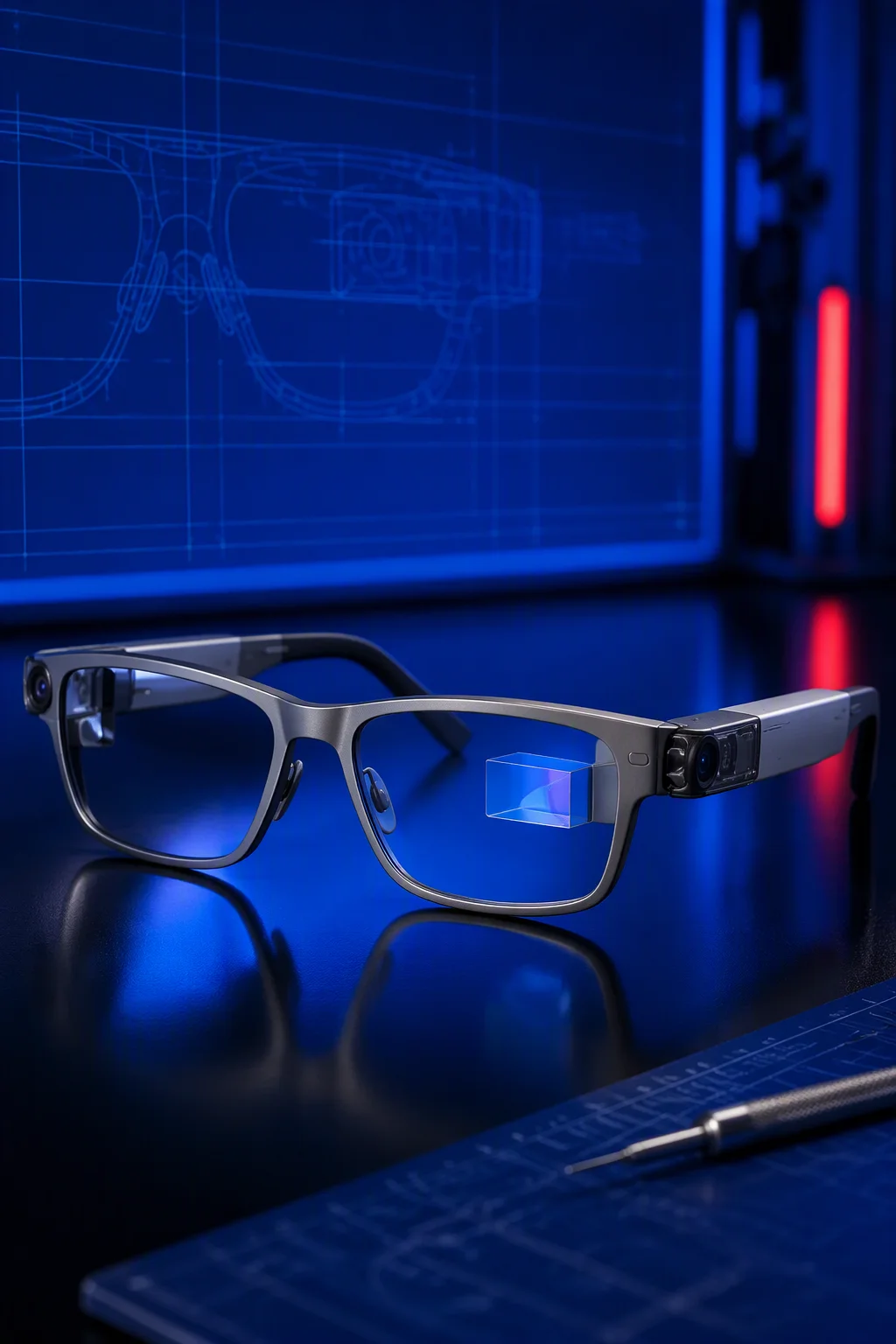
Assistive & Safety Glasses OEM/ODM
The WHO counts 2.2 billion people living with vision impairment — a market where assistive glasses with OCR read-out, voice guidance and obstacle awareness are being procured at national scale. We build the hardware, the safety grading and the compliance documents behind those programs.
● Feature Matrix SPEC. NO. EMS-ASV-SPEC
Reference Assistive Specification
| Parameter | Reference value | Notes |
|---|---|---|
| OCR read-out | Text-to-speech for print | Labels, menus, documents |
| Voice guidance | Turn-by-turn audio | Navigation without screens |
| Obstacle awareness | Camera + audio/haptic alerts | Mobility assistance |
| Magnification | Digital zoom | Reading and inspection |
| Scene description | Captions what the camera sees | Context for the user |
| Camera | 8–12MP | Low-light capable |
| Audio | Bone / air conduction | Clear voice output |
| Battery | 4–8 h | Full-day assistive use |
| Weight | 30–50 g | All-day wearability |
| Charging | Magnetic + case | Easy one-hand docking |
| Safety grades | ANSI Z87.1 / EN166 | Impact-protected options |
| MOQ / Lead | 100 pcs · 14 d / 30–45 d | Samples / mass production |
● Procurement Programs SPEC. NO. EMS-ASV-CAS
Assistive Programs Already Running at Scale
Institutional buyers are the fastest route to scale in assistive eyewear — one national program moves more units than a year of retail. The deployments below show the two procurement patterns we build for: clinical pilots and national rollouts.
AIIMS, India
The All India Institute of Medical Sciences distributed AI vision glasses to 40–53 visually impaired participants in a clinical pilot.
Ireland National Program
A national rollout placed 15,000 AI glasses with people with sight loss — a template for charity and government procurement.
Hospital & Rehab Channels
Rehabilitation centers buy assistive devices in recurring batches as part of mobility and reading support programs.
● Wearability & Safety SPEC. NO. EMS-ASV-SAF
All-Day Wearability, Safety-Grade When Required
Wearability decides adoption: at 30–50 g the frame disappears for a full day, and a voice-first interface removes the touchscreen barrier entirely.
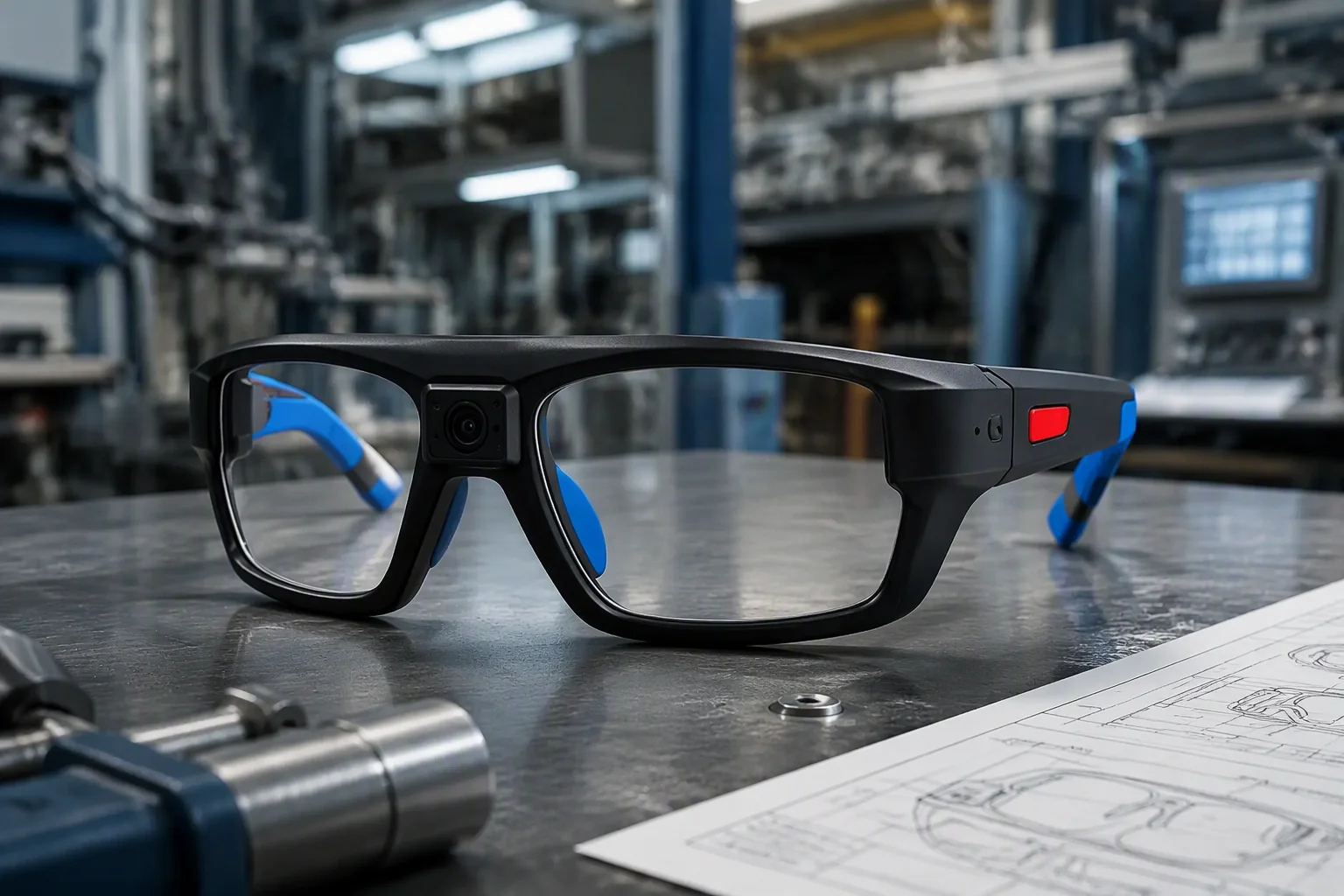
Every assistive frame is tuned with low-vision users in pilot programs: oversized physical controls, voice-first onboarding, and a charging dock that guides itself magnetically. Safety variants add ANSI Z87.1 impact protection for industrial environments.
| Parameter | Reference value | Why it matters |
|---|---|---|
| Weight | 30–50 g | All-day wear without fatigue |
| Voice-first UI | No touchscreen required | Accessibility by design |
| Repurchase | High | Users and programs reorder |
| Impact protection | ANSI Z87.1 / EN166 | Worksite safety-grade SKUs |
| Battery | 4–8 h | Matches program session lengths |
| Compliance | CE / FCC / UN38.3 | Export-ready documentation |
● Channel Partnership SPEC. NO. EMS-ASV-CHN
Built for Government, Charity and Rehab Buyers
| Channel | How we engage |
|---|---|
| Government tender | Turnkey documentation and batch pricing |
| Charity & NGO | Pilot kits from 100 units |
| Rehab & hospital | Recurring reorder programs |
| Direct OEM | White-label assistive line |
| Pilot support | NDA and free engineering consultation |
Assistive glasses are bought by programs, not individuals — our quotation pack includes a compliance dossier, sample units and a pilot plan sized to your tender.
● Program Notes SPEC. NO. EMS-ASV-DEP
Built for Programs, Not One-Off Sales
Assistive programs buy outcomes, not hardware. Our reference design is tuned with low-vision users: oversized physical controls, voice-first onboarding and a magnetic dock that guides itself. Pilot reports from the AIIMS deployment informed default haptic patterns and reading speeds.
Safety variants add ANSI Z87.1 impact protection for industrial environments while sharing the same OCR and voice stack, so institutions can order mixed fleets under one procurement contract.
For government and charity tenders, we assemble the full dossier: use-case documentation, compliance files, unit pricing bands and a pilot plan sized to your rollout, with BOM continuity held for 24 months.
Onboarding is designed for care workers as much as users: a printed quick-start card, a voice tutorial in the user language, and a support script for first-week questions reduce the burden on program staff.
For pilot evaluations, we ship a five-unit trial kit with pre-configured reading modes and a feedback form aligned to clinical questionnaires.
Low-vision user groups in early tests ranked the magnetic dock and the oversized physical controls as the two most valuable details. Recorders and libraries also use the OCR reading mode for shelf work and catalog checks.
● Next Step SPEC. NO. EMS-ASV-CTA
Request the Assistive Line Spec Sheet
Spec sheet, compliance dossier and a pilot plan — sent within 24 hours.